
The Green Classroom
Lifelong Benefits of Starting Golf Young
Strong Bodies • Sharp Minds
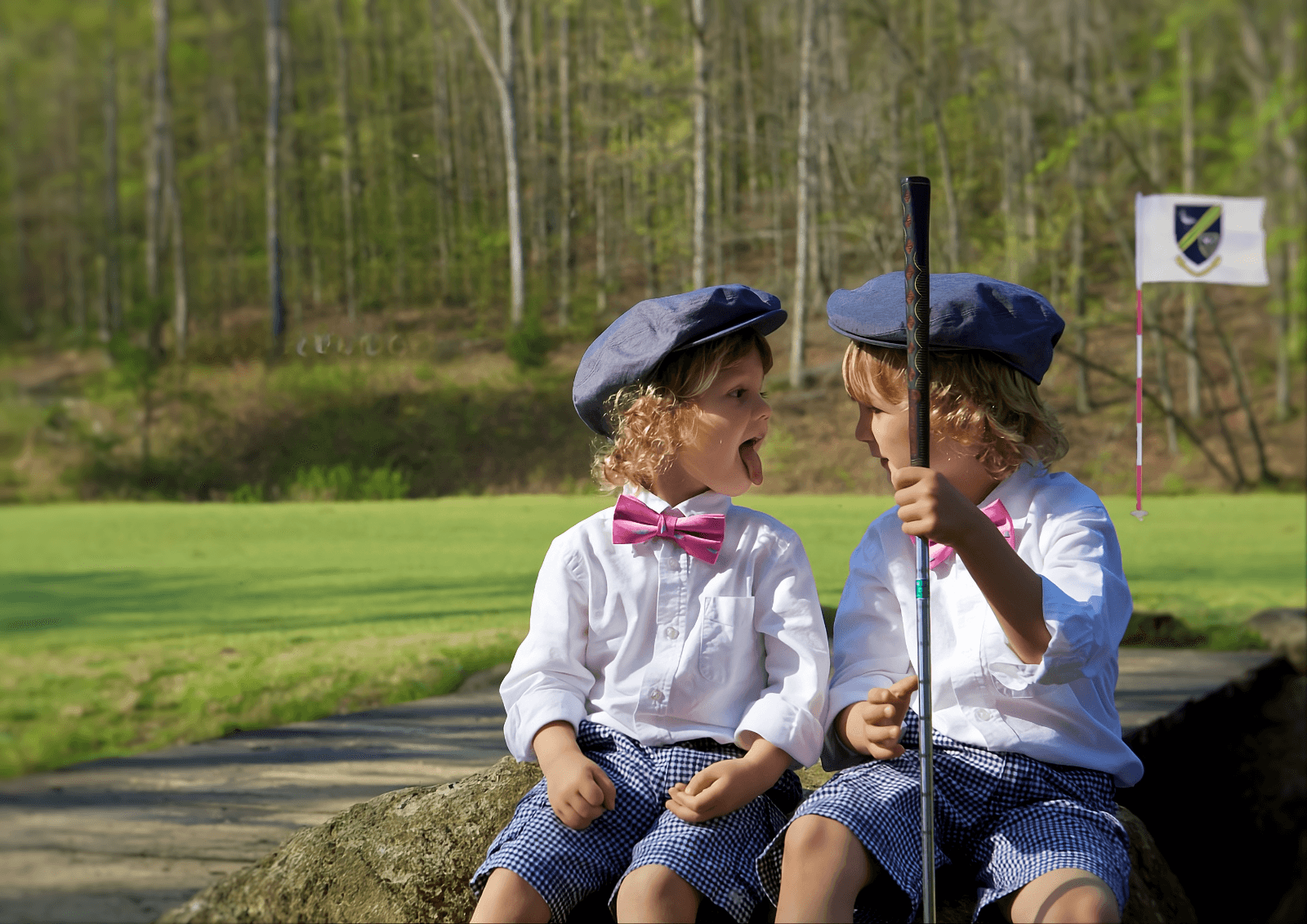
I started golfing when I was just six years old, barely tall enough to see over the bag. At that age, golf wasn’t about handicaps or scores; it was about the simple magic of the outdoors and the dream of following in the footsteps of iconic PGA Tour golfers like Jack Nicklaus and Lee Trevino.
That childhood spark ignited a decade of dedication that led me to turn professional at sixteen. Now, as a PGA Professional, I look back and realize that the game gave me far more than a career. It provided a foundation of physical resilience and mental clarity that shaped the man I am today. In this article, I want to share why starting this journey early is one of the greatest investments a young person can make in their own health and well-being.
A Full-Body Workout in Disguise
While golf may appear leisurely, it offers a surprisingly complete physical workout for developing bodies. Regular participation provides:
- Cardiovascular Stamina: Walking an 18-hole course can cover between 5 to 7 miles (8 to 11 km), strengthening the heart without high-impact stress.
- Muscular Strength & Flexibility: A single swing engages over 17 muscle groups, primarily strengthening the core, shoulders, and legs.
- Motor Skill Development: The precision required fosters superior hand-eye coordination, balance, and proprioception.
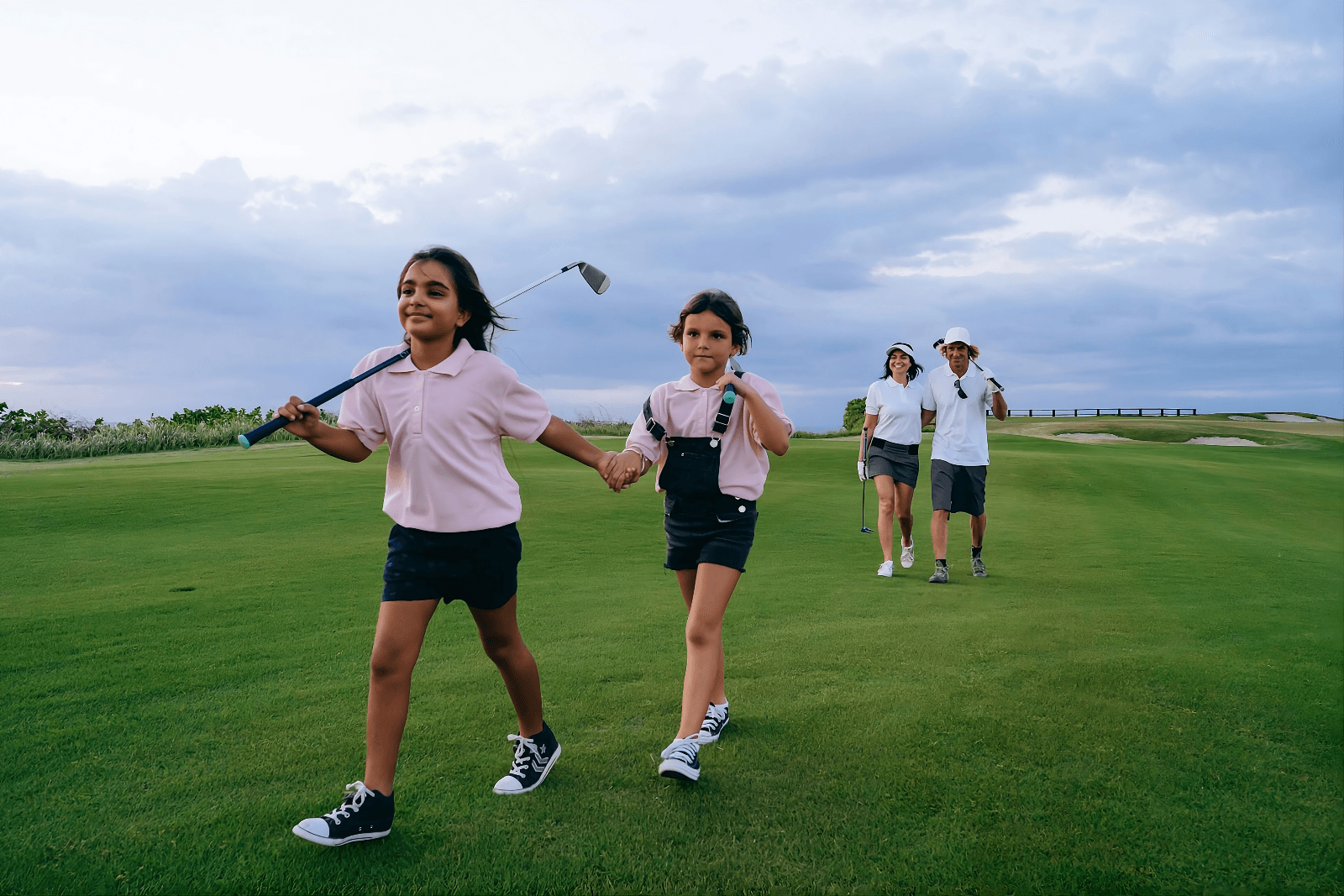
The Green Therapy for Young Minds
The psychological impact of early golf is perhaps its most significant advantage. In a modern era of digital distraction, the sport provides several key therapeutic outlets:
- Active Mindfulness: Every shot invites intense focus, acting as a form of “moving meditation.” This trains the brain to stay present and manage emotions, effectively reducing cortisol levels.
- Resilience & Emotional Control: Golf is a game of inevitable mistakes. Learning to stay calm after a “bad shot” and refocus for the next one helps children build a growth mindset that translates directly to real-world challenges.
Confidence and Nature’s Healing Effect
Sinking a long putt or making a birdie provides immediate positive feedback. Research shows that a vast majority of young golfers report improved self-confidence because of their time on the course. Furthermore, simple exposure to “green spaces” is linked to reduced anxiety and improved mood regulation.
Life Skills and Longevity
Golf is unique in its emphasis on integrity; players are often their own referees. This instills a deep sense of honesty and personal responsibility from a young age. Furthermore, starting early sets the foundation for an active life—on average, regular golfers live five years longer than non-golfers.
Ultimately, introducing a child to golf is not just about teaching them a game; it is an investment in their long-term well-being, providing them with the physical endurance and mental fortitude to navigate the fairways of life.
READ MORE ARTICLES
International Golf Membership – recognized worldwide, with an official WHS handicap and trusted by golfers since 2004.
A modern golf membership designed for international players who travel, compete in tournaments, and enjoy golf around the world.
WHS™ CERTIFIED • GLOBAL PORTABILITY • PGA OVERSIGHT